A reliable vacuum distillation apparatus depends on more than a strong vacuum pump. Every joint, flask, and condenser in the train has to seat cleanly, since a single loose connection can drop the vacuum enough to throw off boiling points and ruin an otherwise careful separation. We put together this rundown for labs building or upgrading a setup from scratch, whether that means a first-time build or replacing pieces that have simply worn out.
Choosing the Right Flask for the Job
A three neck round bottom flask gives enough ports for a thermometer, an addition funnel, and the still head all at once, which makes it a common choice
for distillations that need monitoring or a controlled addition mid-run. For more complex setups involving stirring, temperature probes, and inert gas at the same time, a four neck round bottom flask adds the extra port most three-neck configurations cannot accommodate. Flask capacity matters just as much as neck count, since a flask filled beyond roughly half its volume risks bumping liquid into the still head during a vigorous boil.
Condensers Do More Work Under Vacuum
Reduced pressure changes how quickly vapor forms, which puts extra demand on laboratory glass condensers compared to a distillation run at atmospheric pressure. Rochester’s guide to distillation at reduced pressure covers many of the adjustments a vacuum setup needs, including how condenser placement and cooling water flow affect overall recovery. Running cooling water in the opposite direction of vapor flow, counter-current to the condenser, also tends to improve recovery compared to running it the other way.
Checking Every Joint Before You Start
Ground-glass joints are the most common failure point in a vacuum distillation apparatus, and even a thin film of grease applied unevenly can be enough to let air leak in slowly over a long run. OSHA’s laboratory safety guidance touches on safe handling of glass apparatus under vacuum, which is worth a read before running a new configuration for the first time. Shielding the apparatus and checking clamps before applying vacuum are both worth doing every time, not just for a first run.
Sourcing Parts From a Lab Glass Supplier in North Jersey
Building out a distillation train usually means sourcing several pieces at once, and working with a lab glass supplier in North Jersey who keeps common flasks and condensers in stock keeps a project from stalling while a single part ships from across the country. It also helps to work with a laboratory glassware in New Jersey supplier who can fabricate an odd size on short notice if a catalog part does not fit the setup, since a distillation train is often only as complete as its hardest-to-source component.
Build Your Setup With Us
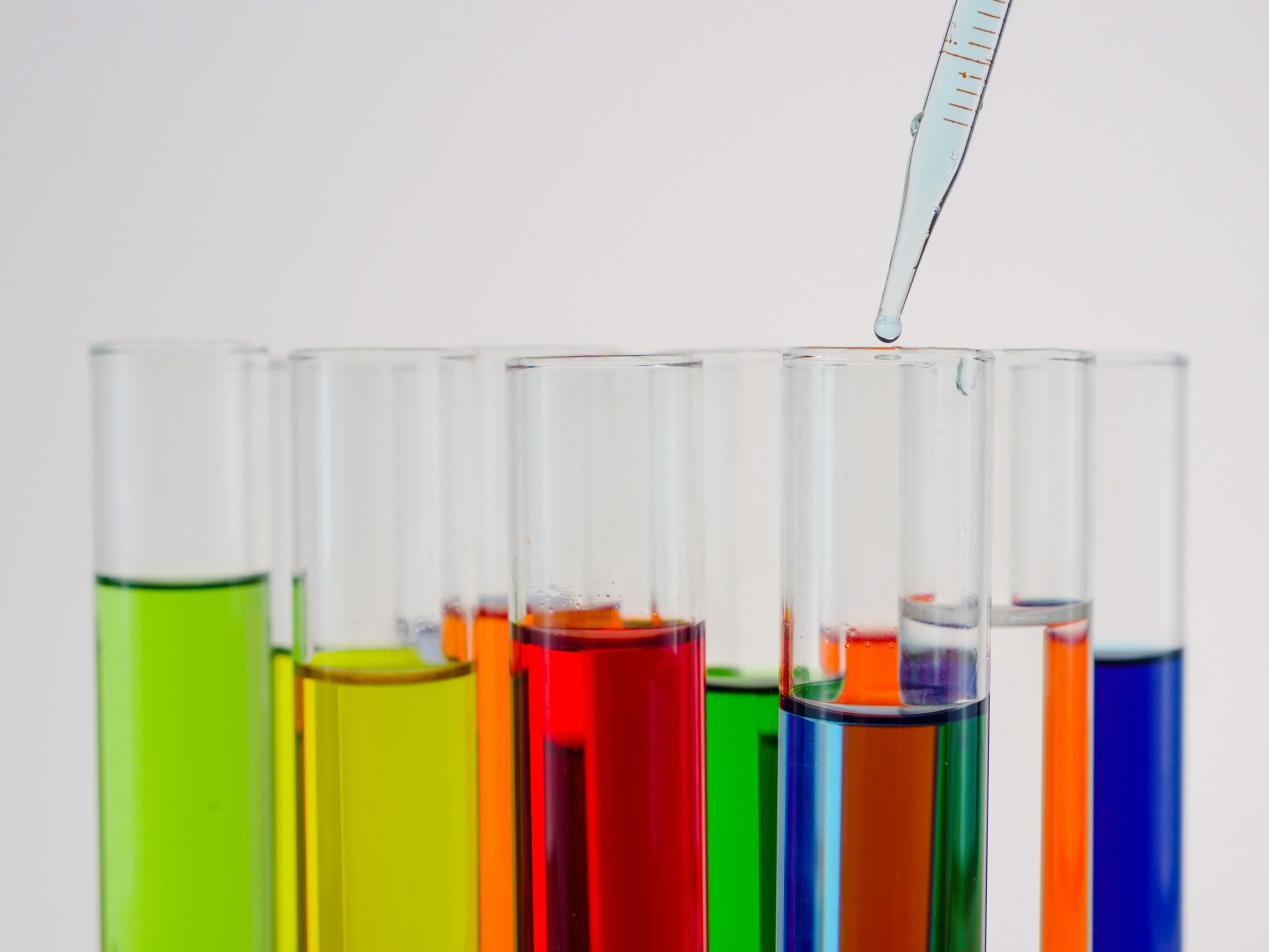
At North Jersey Custom Glass, we stock the flasks, condensers, and adapters that make up a dependable vacuum distillation apparatus, and we can fabricate custom sizes when a standard part will not do.
Order now with us to get your next distillation setup built or restocked.